

This newsletter has been translated from Korean to English.
K-Pop Demon Hunters: California Rolls, Orange Chicken, and the Future of Korean Culture
Hello, it’s Ian! This week I want to share some thoughts on K-Pop Demon Hunters (KDH) — a film you’ve probably at least heard of, if not already watched on Netflix.
1. What exactly is KDH?
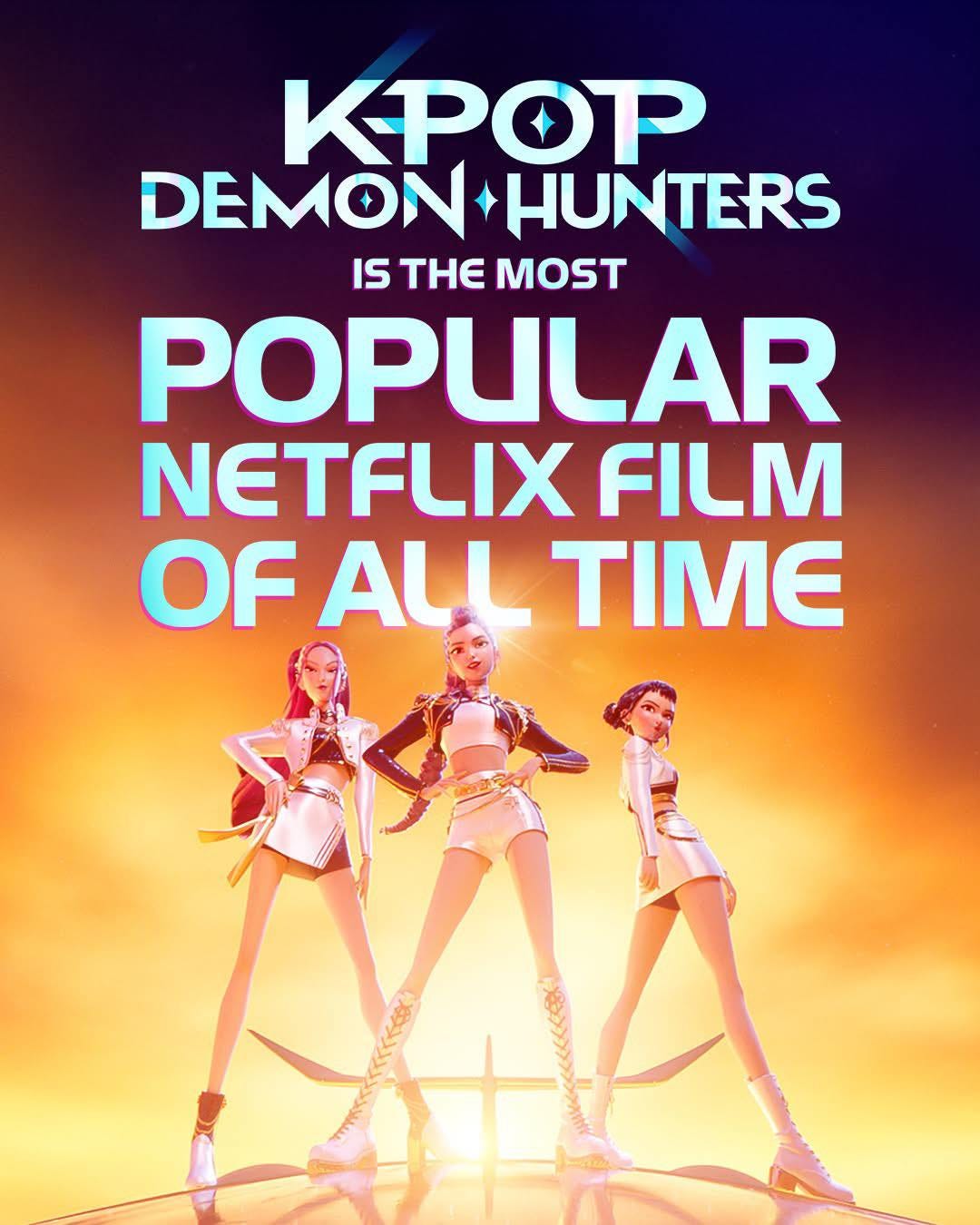
K-Pop Demon Hunters follows Huntr/x, a global K-pop girl group who also happen to be demon hunters. They guard the barrier (“Honmun”) between the human and demon worlds with the power of music, all while battling their rivals, the secretly demonic boy group “Lion Boyz.”
Directed by Korean-American Maggie Kang and infused with Korean folklore (grim reapers, talchum masks, etc.), it was produced by Sony Pictures Animation and released globally on Netflix. The result? Record-breaking success: the most-watched Netflix movie of all time, with over 230M views in just two months. The OST “Golden” hit #1 on the Billboard Hot 100, and four songs from the soundtrack charted simultaneously.
2. Who actually made it happen?
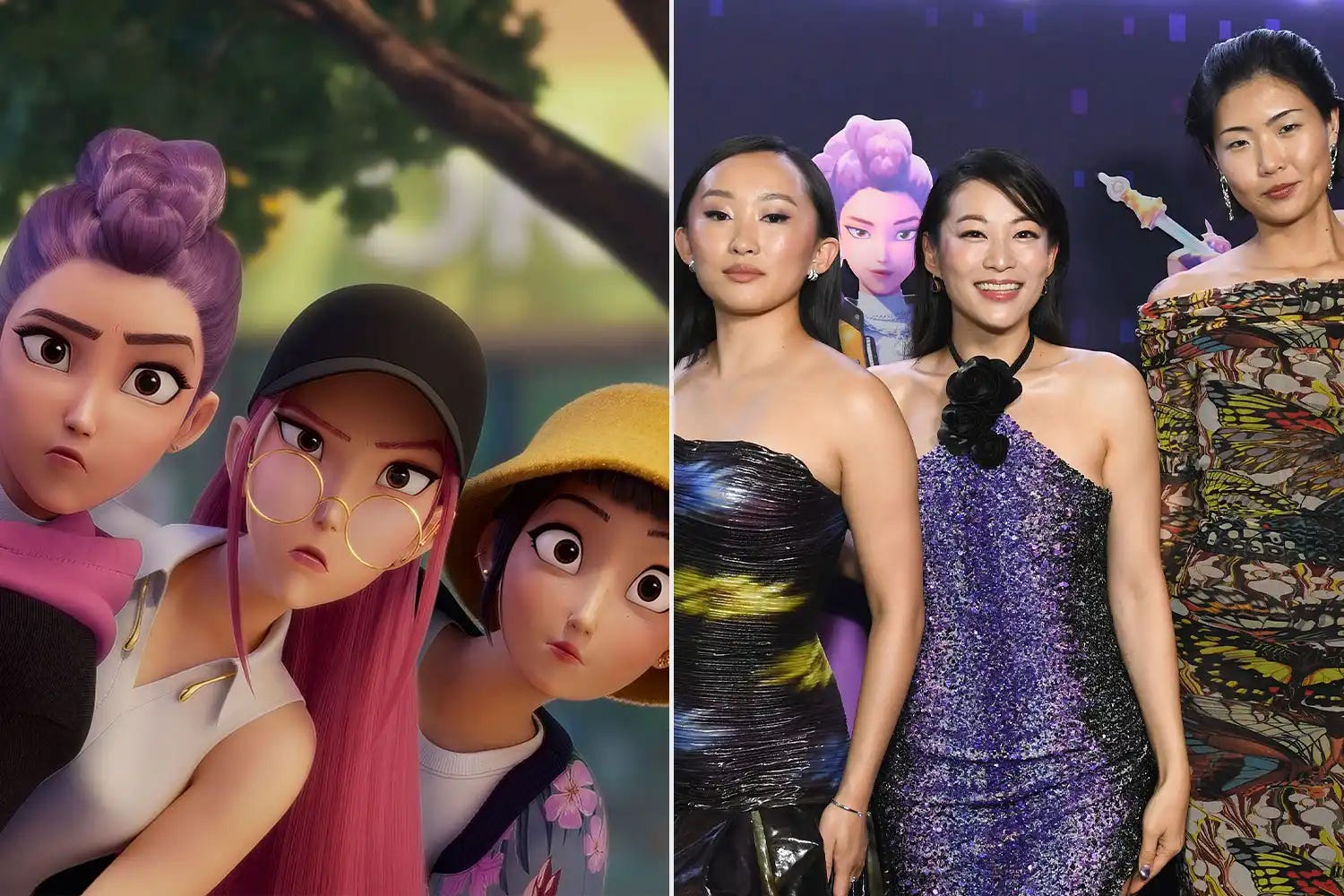
Here’s the twist: this mega-hit wasn’t led by “traditional” Korean creators. The director was Maggie Kang, the voice cast included Arden Cho and Ji-young Yoo — largely Korean-American talent. Sony produced, Netflix financed with $100M, and Sony walked away with $25M upfront. In other words, Netflix made the real money here.
The takeaway: this wasn’t “purely Korean.” It was Korean DNA reassembled by diaspora talent and global capital — and precisely because of that, it exploded.
3. Orange Chicken & California Roll Moments
This reminded me of two icons of Asian-American food culture:
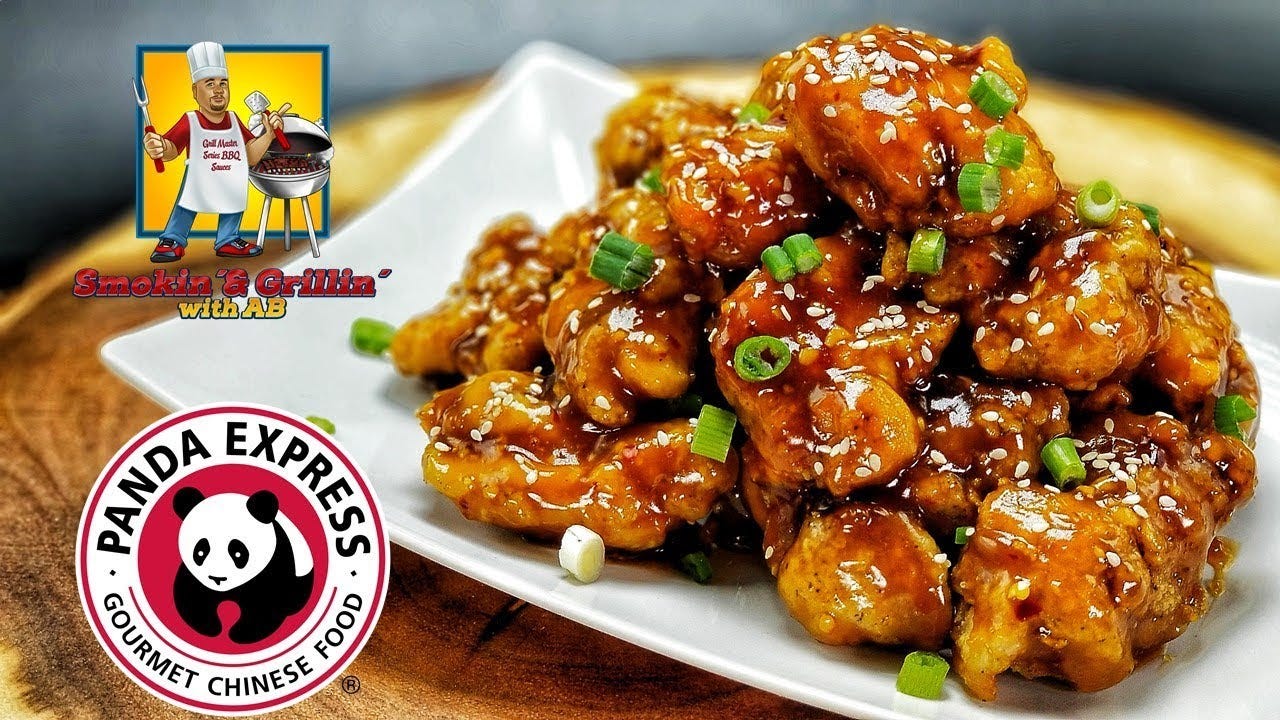
Orange Chicken (Panda Express): The #1 Asian food chain in America built its empire not on traditional Chinese dishes, but on orange chicken — a sweet, crispy, Americanized invention.
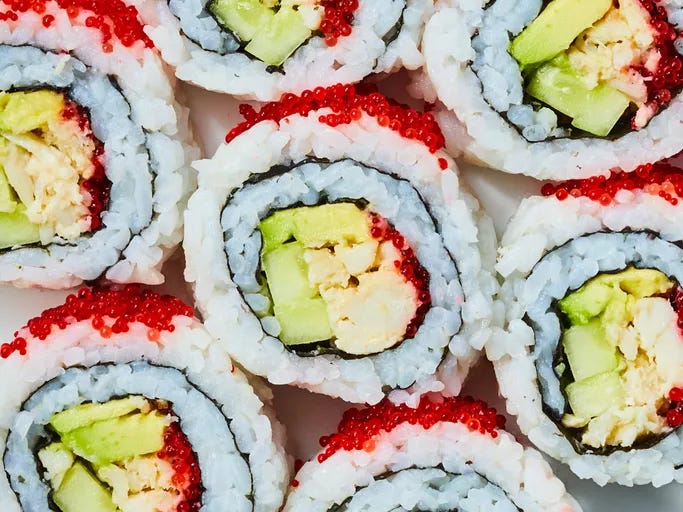
California Roll: Sushi’s global breakout star didn’t have raw fish. It had avocado, crab stick, and mayo. A hybrid at best, blasphemy at worst — but it’s what carried sushi to global popularity.
KDH is standing right here. On the surface, global fans say they want “authentic Korea.” In reality, they’re consuming the California Roll version: palatable, remixed, localized. Authenticity isn’t the point anymore. If it tastes good, it wins.
So what?
If you want to win globally, you need to understand both Korea and the U.S. You can’t just say “we’re killing it in Korea.” You need to prove you can remix Korea’s strengths into a form that conquers the global stage.
There are two paths:
Stay pure and differentiate with tradition (the 청국장 and chicken feet route).
Go full localization and build your own Orange Chicken.
Both have merit. But you can’t do both half-heartedly. Running Korea and U.S. businesses simultaneously often means you’re really running two businesses. From my experience and from what I hear from other Korean VCs in the U.S., it’s far more effective to go Day 1 in America if you want scale.
The risk: others will beat us at our own game
We’re already seeing non-Korean founders succeed in K-beauty by borrowing Korean playbooks. The era of “only Koreans can use Korean culture” is ending. If we don’t master and weaponize our own cultural capital, someone else will — and maybe do it better.
The opportunity: a generation raised on KDH
Think about it: kids who grow up on KDH won’t see Korea as exotic. Just normal. Like how Disney shaped American childhoods, or Pokémon shaped global pop culture. For them, Korea isn’t “special” anymore — it’s just part of life.
That’s massive. It means the next 10–20 years aren’t just about selling Korean culture. They’re about building global brands and industries on top of Korean culture, while the foundation is already normalized.
Closing
We’re living through a once-in-a-lifetime alignment: AI on one side, Korea going global on the other. That’s rocket fuel for founders and investors who can think big.
So I’ll end with this:
Will you build California Rolls and Orange Chicken, or will you insist on 청국장 and chicken feet?
If you’re making (or want to make) the California Roll version of your product — and you want to take it global — email me. Let’s conquer the world together.
Thanks for reading!
— Ian