

Prologue: What We’re Actually Witnessing
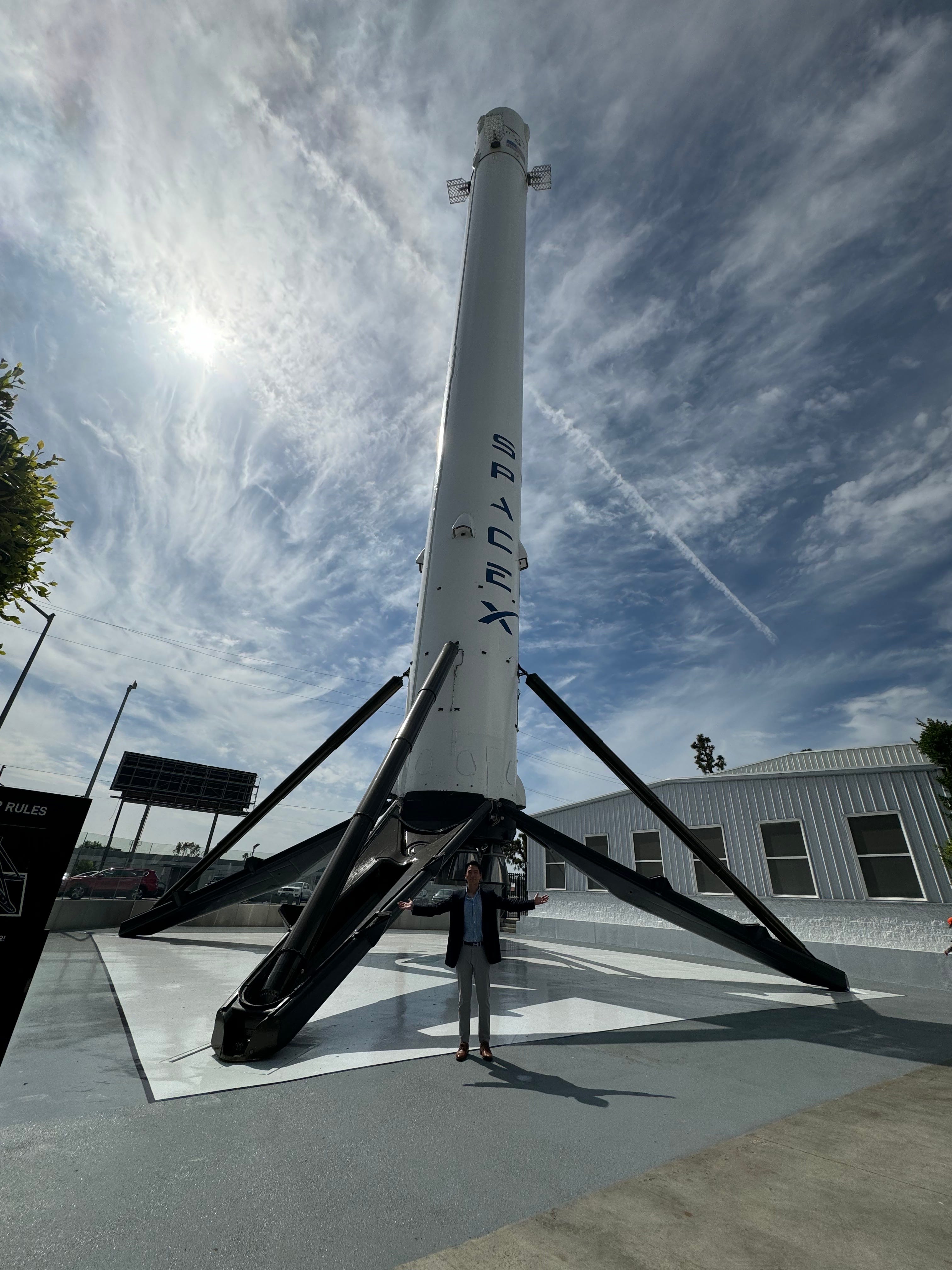
As many of you know, I’ve been a die-hard SpaceX fan. When people doubted and mocked, I believed this would become one of the greatest companies in human history. I’ve toured the headquarters. I got invited to watch a launch (weather delay, sadly). I consider myself one of its biggest advocates.
So when Elon Musk announced that SpaceX is acquiring xAI at a combined valuation of $1.2 trillion—potentially the largest IPO in history—my first reaction wasn’t excitement.
It was: “Ah. So this is how it’s going to go.”
Having sat on both the GP and LP side of this industry, I’ve seen countless “restructurings.” I know what hides behind the elegant language of mergers. I’ve watched successful companies absorb failing ones to cover investor losses. I’ve seen what gets sacrificed in the process.
This SpaceX-xAI merger is the largest, most audacious, and most cleverly disguised piece of financial engineering I’ve ever witnessed.
So today, I’m writing not as a fan, but as an investor.
Chapter 1: The Dumpster Fire Called Twitter

Let’s rewind to 2022.
When Musk acquired Twitter for $44 billion, the world split into two camps: “genius move” and “this is insane.” I was firmly in the latter.
Why? Because the numbers told the story.
Twitter was already unprofitable at acquisition. It ran on advertising revenue, and advertisers started fleeing Musk’s chaotic management style almost immediately. Post-acquisition, ad revenue collapsed. The company’s value began melting off the balance sheet.
The real problem? The investors who participated in this deal.
Sequoia. a16z. Valor. Oracle. The most influential names in Silicon Valley bet billions on Musk’s Twitter LBO.
Why? Because it’s Musk. Everything he touches turns to gold. Tesla did. SpaceX did.
But this time was different.
Twitter didn’t turn to gold. It became a cash incinerator. Reports circulated that the company’s value had fallen to less than half of the acquisition price. Sequoia and other mega-funds had to book massive losses.
This is where Musk’s dilemma begins.
He’s not just a CEO. He runs an “empire of loyalty.” The investors who believed in him since early Tesla, who funded SpaceX, who joined the Twitter acquisition—if they take losses, Musk’s greatest asset crumbles: the myth that “if you’re on Elon’s side, you never lose.”
For Musk, this isn’t about reputation. It’s about survival.
Because all of his companies constantly need capital, and that capital comes from “people who believe in Musk.”
So he started making moves.
Chapter 2: The Washing Machine Called xAI
In 2024, Musk announced the merger of xAI and X (formerly Twitter).
The official reasoning sounded plausible. “AI and social media synergy.” “Grok learns from X’s real-time data.” “A new platform for the AI era.”
But the real reason was buried in the numbers.
Through this merger, Twitter investors received xAI equity. At valuations equivalent to their original Twitter investment ($44 billion). Their paper losses magically vanished.
“Made whole.”
Wait. Doesn’t that seem off?
How does a company with collapsing ad revenue, increasing user churn, and damaged brand value still get credited at $44 billion?
Simple answer: It can’t. Not by free market logic.
But in Musk’s world, it can. Because this isn’t a market transaction. It’s a “family deal.”
xAI, 100% owned by Musk, acquires X, where Musk is the largest shareholder, while distributing xAI shares to Musk’s friends. Value gets “determined” internally, with no external market validation.
You know what this is called?
Self-dealing. Conflict of interest.
It’s not illegal. These are private companies. But is it healthy? I can’t nod along to that.
Anyway, Phase 1 complete. Twitter investors are now xAI shareholders.
But there’s one remaining problem.
xAI doesn’t make money either. It’s another cash-burning beast.
Chapter 3: The Ark Called SpaceX
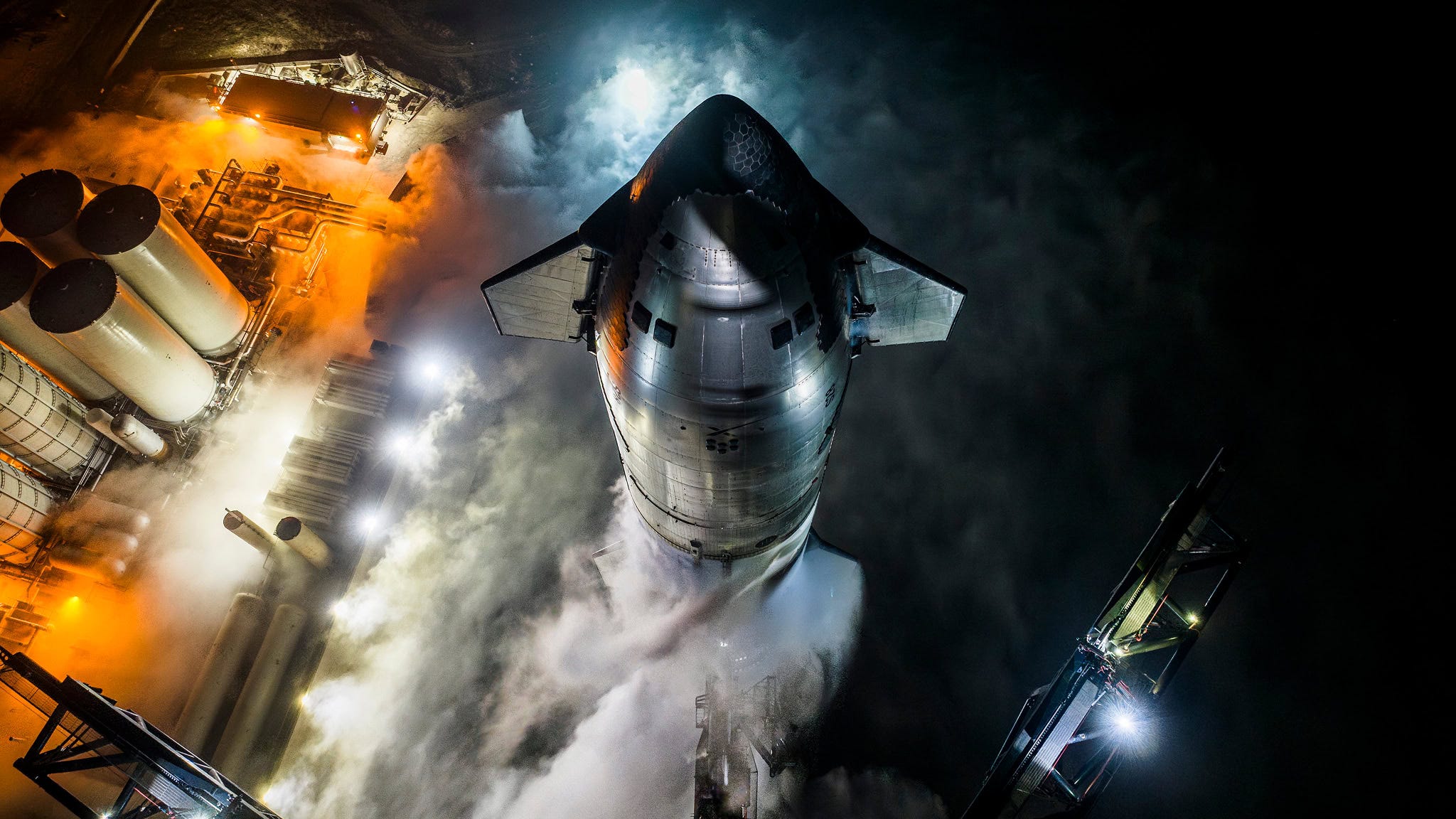
xAI builds “Grok,” an AI model competing with OpenAI, Anthropic, and Google.
You know what this business fundamentally is? A cash incinerator.
GPU clusters cost billions. Power bills run into hundreds of millions. Talent acquisition, hundreds of millions more. Why does OpenAI need trillions of won in investment every year? Why does Anthropic keep extending its hand to Amazon and Google? AI model development doesn’t make money—it burns money. At least for now.
xAI is no different. Maybe worse. OpenAI generates real revenue through ChatGPT. Grok is limited to the X platform.
So xAI investors—who are now also former Twitter investors—start getting nervous again. “Is this stock actually worth anything?”
Right on cue, Musk plays his card.
SpaceX.
The most successful private space company in human history. A company generating real cash through Starlink. A company leading humanity into a new era. A “guaranteed” trillion-dollar valuation the moment it IPOs.
February 2, 2026: SpaceX acquires xAI. Combined valuation: $1.2 trillion. xAI’s implied value: over $200 billion.
Now the picture is complete.
Twitter investors ($44B bet, facing losses)
    ↓ X-xAI merger → xAI shares
xAI shareholders (burning cash, exit unclear)
    ↓ xAI-SpaceX merger → SpaceX shares
SpaceX shareholders (holding the most valuable private stock on Earth)
People who were about to lose money on Twitter, after two mergers, now hold SpaceX stock.
You know what the press(Axios) is calling this?
“Lifeline.”
That’s the actual word from the coverage: “xAI shareholders effectively get a lifeline through the deal.”
The journalists know exactly what this is.
Chapter 4: The Gift Wrap Called “Sentient Sun”
Of course, Musk doesn’t call it a “bailout.”
He’s a poet. A dreamer. A prophet of humanity’s future.
“SpaceX has acquired xAI to form the most ambitious, vertically-integrated innovation engine on (and off) Earth. This marks not just the next chapter, but the next book in SpaceX and xAI’s mission: scaling to make a sentient sun to understand the Universe and extend the light of consciousness to the stars!”
“A sentient sun to extend the light of consciousness to the stars.”
Beautiful words. Genuinely. Reading them, your heart races and you can almost see humanity’s future unfolding before you.
But reading that sentence, I had a different thought:
“This guy is an absolute marketing genius.”
Because that one sentence buries every uncomfortable question.
“Why acquire an unprofitable AI company?” → “Space data centers need AI.”
“Why are Twitter investors getting SpaceX stock?” → “Vertically integrated innovation engine.”
“Why do this complex merger right before IPO?” → “We must extend the light of consciousness to the stars.”
He’s wrapping financial engineering in sci-fi vision.
And remarkably, people believe it. Or rather, they want to believe it.
Because it’s Musk.
Just like people believe Tesla isn’t “just a car company” but will become an “AI robotics company,” they want to believe SpaceX isn’t “just a rocket company” but will become a “space AI infrastructure company.”
I don’t want to dismiss this entirely. Maybe space data centers will exist someday. Maybe Grok will power Mars rover brains.
But “maybe someday” and “worth $1.2 trillion right now” are completely different propositions.
And right now, here’s what’s certain:
People who were about to take losses on Twitter and xAI have boarded the ark called SpaceX.
Chapter 5: The Real Game Hasn’t Even Started
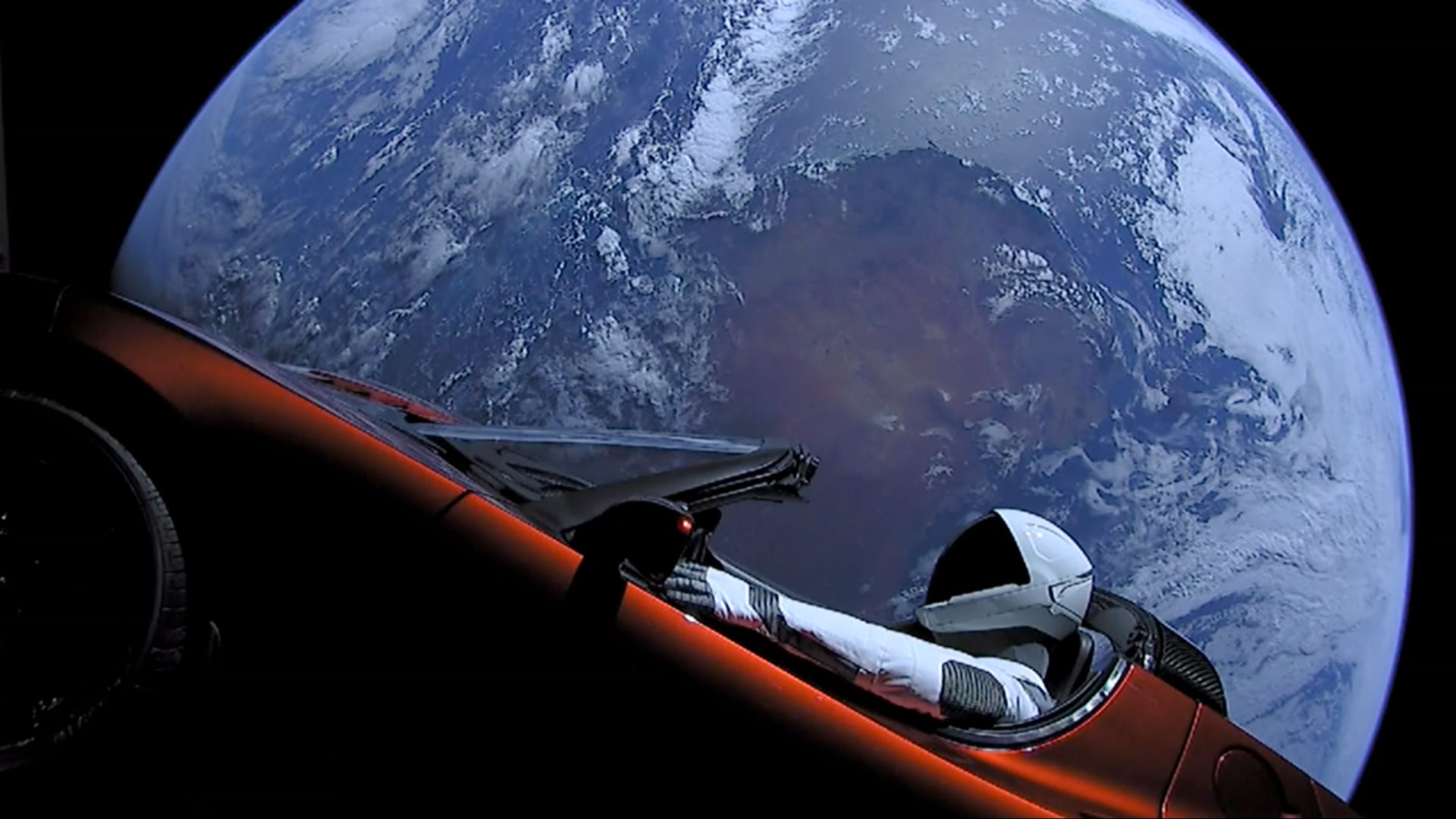
If you’ve read this far, you might be thinking:
“Okay, he rescued Twitter and xAI investors. Feels a bit off, but SpaceX is such a great company—isn’t it fine?”
I thought so too. At first.
Then I thought about one more thing, and it sent chills down my spine.
Tesla.
Do you know Tesla’s current situation?
The EV market is no longer Tesla’s alone. China’s BYD, European legacy manufacturers, countless startups—everyone makes EVs now. Price competition is brutal, margins are shrinking, growth is slowing.
In January, Tesla announced it’s discontinuing Model S and X production. Official reason: “Converting production lines to Optimus (humanoid robot) manufacturing.”
I interpret this differently.
As always, Tesla can no longer justify its stock price as a “car company.” Car company P/E ratios typically hover around 10x. Tesla’s? Tens to hundreds of times that.
What bridges that gap?
“Expectations about the future.” Self-driving. AI. Humanoids.
So Tesla must keep saying “we’re not a car company, we’re an AI robotics company.” The Model S/X discontinuation—driven by profitability issues as a car company—becomes part of that narrative.
“See, we’re abandoning old-era cars and moving to future robots.”
The question is how long this narrative can survive its collision with reality.
Space data centers? Thermodynamics experts point out that “vacuum isn’t a freezer, it’s a thermos”—GPU heat has nowhere to go.
Optimus? Interestingly, a16z—who participated in the Twitter bailout—has itself warned about “the uncrossable gap between demos and reality.”
And the bigger issue is Musk’s personal financial situation.
Musk has borrowed heavily against his Tesla shares. A significant portion of Twitter acquisition funding came from these margin loans.
If Tesla stock crashes? Collateral value drops, margin calls come, he must either add collateral or sell shares. Selling shares pushes the price down further. A death spiral begins.
In other words, defending Tesla’s stock price is Musk’s personal survival condition.
Now let’s connect the puzzle pieces:
Tesla is losing its appeal as a car company
Maintaining the stock price requires the “AI robotics company” narrative
But Optimus is far from commercialization, and FSD keeps saying “next year”
Meanwhile, SpaceX is acquiring xAI and transforming into a “space AI infrastructure company”
All of Musk’s companies are beginning to merge into one narrative
See where this is heading?
Chapter 6: X Holdings, or Tesla’s Funeral
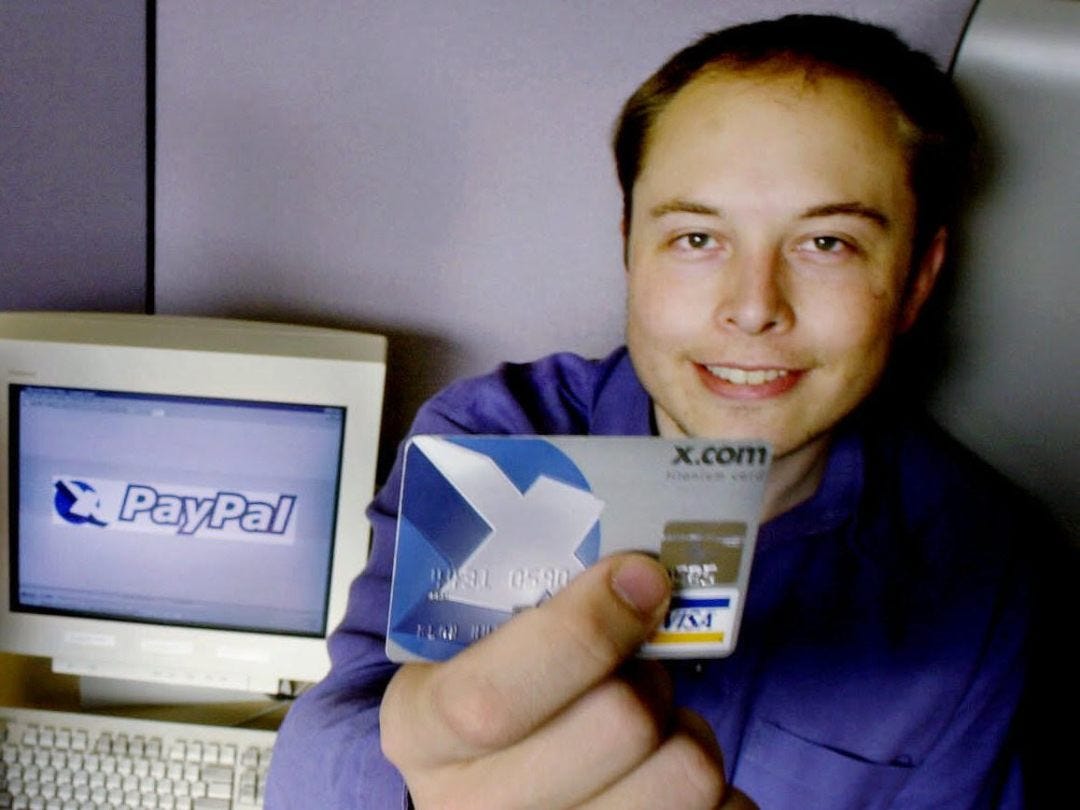
I believe Musk ultimately won’t leave Tesla as a “car company.”
The most likely scenario: the birth of “X Holdings.”
A holding company structure placing SpaceX, Tesla, xAI, and X under one roof. Like Alphabet (Google’s parent) or Meta.
What happens then?
Tesla’s weak automotive performance gets diluted within SpaceX’s growth story. Tesla shareholders become not “car company shareholders” but “space+AI+robots+social media conglomerate shareholders.” Even if individual business units underperform, the group’s “vision” can defend the stock price.
Looking at it optimistically, could it become a second Berkshire?
But if this happens, Musk’s influence won’t be what it was. Once everything becomes public companies, there’s less room for the current maneuvers.
Another scenario: “Cherry-picking.”
Merging all of Tesla is too big and complex, so just extract the core. The Optimus division. Self-driving technology. The AI team.
“Tesla’s robotics technology is essential for SpaceX’s Mars colonization. It must combine with xAI’s brain.”
Sounds plausible, right?
The SpaceX+xAI alliance acquires Tesla’s robotics division for a massive sum. Tesla gets huge cash infusion, balance sheet improves. Future businesses transfer to the unlisted mega-entity.
What’s left at Tesla?
The shell of car manufacturing. Gradually becoming “SpaceX Group’s robot production subcontractor.”
This won’t be easy, of course. Tesla is public. The SEC watches. Countless retail and institutional investors own shares. Shareholder lawsuits could rain down like with SolarCity. Antitrust issues exist.
Nevertheless, Musk will absolutely deploy financial engineering to protect his empire.
And the allies who’ve made money through him will support him.
So I think this is a plausible scenario.
Chapter 7: Why Are SpaceX Shareholders Staying Quiet?
A question arises here.
SpaceX’s existing shareholders aren’t stupid. Why do they agree to this merger? Why accept mixing “cash-burning beasts” into their “golden goose”?
Several reasons.
First, short-term gain.
SpaceX’s valuation jumped from $800 billion to $1.2 trillion. Book value of assets up 50%. Looks good for now.
Second, faith in Musk.
SpaceX’s early investors have been with Musk for a long time. They’ve watched him accomplish things that seemed impossible multiple times. “There must be something to this too.”
Third, no alternatives.
SpaceX is private. You can’t sell shares whenever you want. Without Musk-approved secondary transactions, there’s no liquidity. Even if you’re unhappy, you can only “grin and wait for IPO.”
Fourth, they’re all in the same boat.
Musk’s smart move: he already gave Twitter and xAI investors opportunities to invest in SpaceX too. Almost no one invested only in obviously-doomed Twitter or xAI. Most wanted to get in on “humanity’s future” companies like SpaceX or Neuralink.
Fifth, the carrot of IPO.
“The largest IPO in history.” “Over $1.5 trillion listing.” Against this dream, a little risk seems acceptable. Better to ride the flagship than get stuck with random small-caps.
But I see this as “forced boarding on a gamble to inflate size and list at higher prices while bearing the risk.”
SpaceX was originally a clean company. Build rockets, launch satellites, make money with Starlink. Simple and clear. “King of space transport and future of internet.”
Now? It’s become a “space+AI+social media monster.” Valuation methodology got complicated. Analysts now have to wonder “how do we even value this thing?” Major variables added to IPO momentum and timing.
Plus, xAI and X’s risks are now mixed into SpaceX’s financials. Cash burn, regulatory risk, brand risk. All of it muddying the clean image of the “space flagship.”
As I mentioned on my English podcast last week, I’m upset as a SpaceX shareholder. (Kevin, who only holds xAI, is thrilled lol)
But SpaceX shareholders can’t say anything.
Because without Musk, there is no SpaceX.
Chapter 8: The Essence of What We’re Witnessing
Let’s return to the beginning.
SpaceX has acquired xAI. Combined valuation: $1.2 trillion. Probably the largest IPO in history.
Is this really “the marriage of space and AI”? “The next chapter of human civilization”?
I see it differently.
This is the process of Elon Musk using one of humanity’s greatest private companies as collateral to bail out his failed bets and escape his financial predicament.
The Twitter acquisition failed. Ad revenue collapsed, brand value was destroyed. But Twitter investors received xAI shares and covered their losses.
xAI isn’t profitable yet. It’s burning massive cash. But xAI investors received SpaceX shares and secured their exit.
Tesla is losing its growth engine. Its appeal as a car company is fading. But Musk defends the stock with a “AI robotics company” narrative about the distant future, and will ultimately try to integrate it into the SpaceX group to protect his empire.
At the center of all this sits SpaceX.
The company that actually makes money. The company with a certain future. The company that will be valued astronomically the moment it goes public.
SpaceX is the breadwinner of Musk’s empire. The lifeboat. The ark.
And right now, that ark is being loaded with all kinds of cargo.
A ship that once carried only rockets and satellites is now loading AI models, social media, and perhaps soon, cars and robots.
The ship is getting heavier.
Epilogue: The Shadow of “Sentient Sun”
I used to respect the old Elon Musk. Genuinely.
Without him, humanity would still be using disposable rockets. EVs would still be treated as “golf cart cousins.” He accomplished things that seemed impossible and inspired countless people.
But watching his post-COVID trajectory and this latest move, I’m confronting an uncomfortable truth.
A great visionary and a cunning financial engineer can be the same person.
“Sentient Sun” is a beautiful vision. Extending the light of consciousness to the universe—what a magnificent story. But beneath that vision’s shadow, failed investments are being laundered, losses transferred, and risks diluted.
I don’t want to call this “fraud.”
It’s not illegal. All transactions were consensual. Investors participated voluntarily.
But I also can’t call it “just.”
SpaceX was built by thousands of engineers pouring their blood and sweat. A company that made humanity’s dream of space exploration real. That company is becoming a dumping ground for one person’s distressed assets.
Of course, SpaceX will probably remain a great company. Rockets will keep flying, Starlink will keep making money, and we’ll soon send humans to Mars.
But in the process, we’ve lost our SpaceX.
The “rocket company” SpaceX that was making humanity a multiplanetary species and bringing internet to the world. The SpaceX with clean valuation. The SpaceX where we never had to think about financial engineering or shareholder bailouts.
The era of genuine innovators is over.